How to Make Vegan Drunken Noodles Full of Flavor
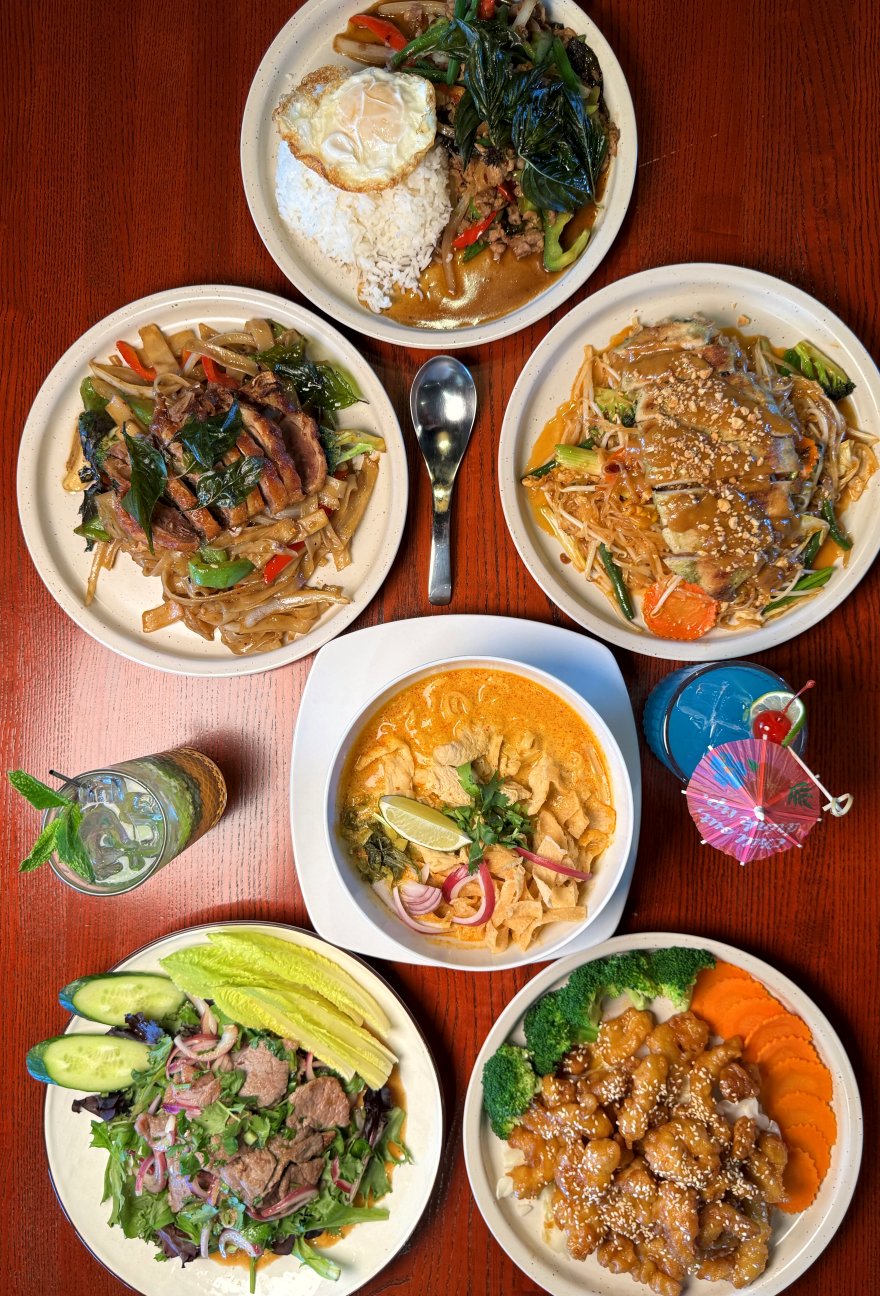
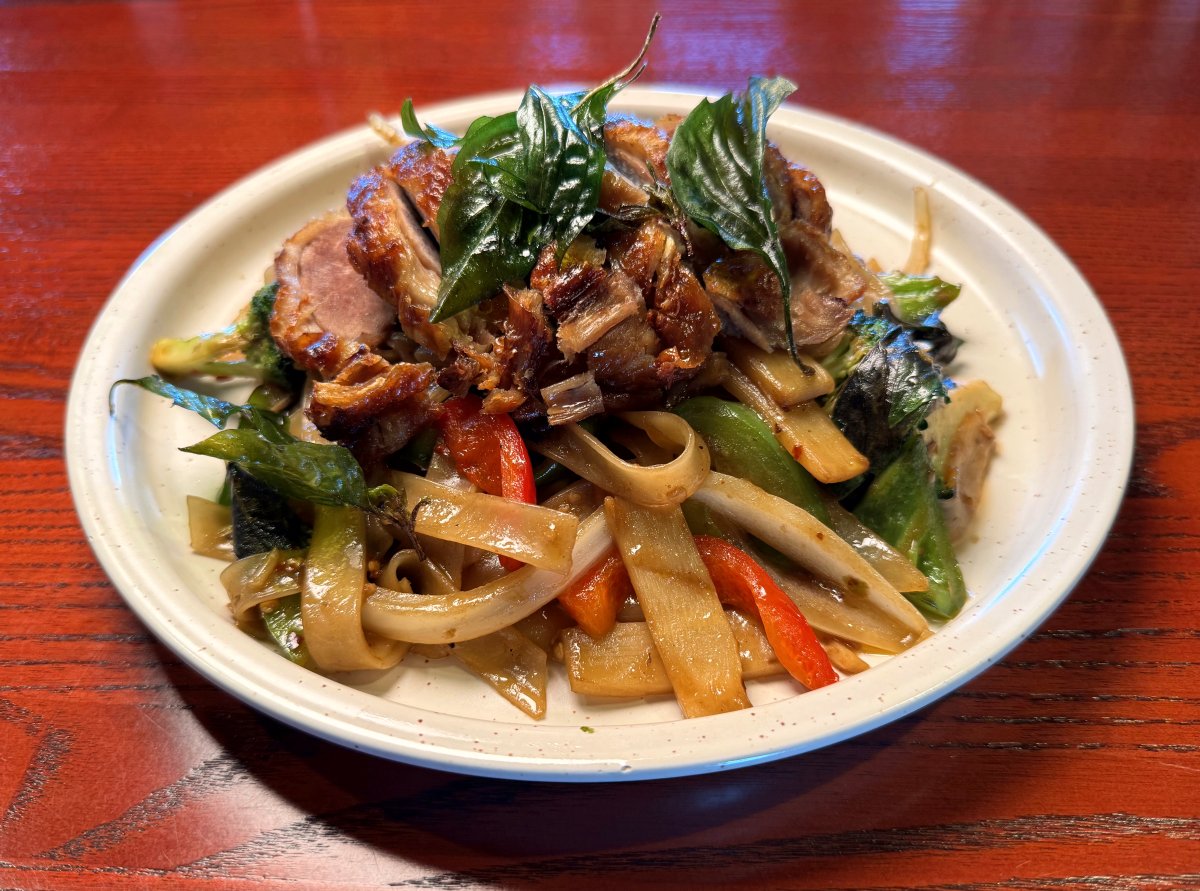
Drunken Noodles can be wildly satisfying, but they are also easy to flatten. The noodles turn gummy, the vegetables steam instead of char, the sauce lands too sweet, and the whole pan tastes like soy sauce with basil on top. A good plate of vegan Drunken Noodles should do the opposite. It should feel loud and alive. You want chew from the noodles, real heat from chilies, sweetness that rounds rather than dominates, and enough savory depth that nobody misses fish sauce, oyster sauce, or meat.
That balance is what makes the dish interesting. Vegan versions often stumble because they try to replace animal-based sauces with one single ingredient, usually more soy sauce or bottled stir-fry sauce. In practice, flavor comes from layering. When I make Drunken Noodles at home, I build the sauce with several small decisions instead of one dramatic substitute. Mushroom sauce brings body, light soy keeps the salt clean, dark soy adds color and a little caramel depth, and sugar smooths the edges. Then the pan itself does some of the work. A hot wok, or the hottest skillet you own, creates those browned spots that give the noodles a roasted, slightly smoky taste.
There is also a texture piece that matters more than people realize. Fresh wide rice noodles behave very differently from dried ones. Tofu can be creamy, springy, or crisp depending on how you treat it. Thai basil wilts in seconds and loses perfume if you add it too early. If you understand those details, vegan Drunken Noodles stop feeling like a compromise and start tasting like a dish with its own authority.
What makes Drunken Noodles taste right
Pad Kee Mao, the Thai dish often translated as Drunken Noodles, is not defined by alcohol. The name has a few origin stories, and none matter much once you start cooking. What matters is the style. This is a fast, high-heat noodle stir-fry built around broad rice noodles, aromatics, chilies, a dark savory sauce, and basil. The flavor should be assertive. If pad thai is more balanced and restrained, Drunken Noodles are more unruly in the best way.
Traditional versions often draw their depth from oyster sauce, fish sauce, meat drippings, or all three. That is where vegan cooks have to pay attention. The replacement is not just salt. It is salinity, sweetness, umami, viscosity, and aroma working together. A splash of soy alone covers only part of that.
These are the pillars I rely on when building flavor:
- Light soy sauce for salinity and clean fermented flavor
- Dark soy sauce for color and a mild molasses-like depth
- Vegetarian mushroom stir-fry sauce, or vegan oyster sauce, for body and umami
- Fresh chilies and garlic for heat that tastes sharp, not dusty
- Thai basil added at the end for fragrance and lift
You can make good Drunken Noodles without every single one of these, but if you remove two or three, the dish starts drifting into generic stir-fried noodles. That is not a disaster, but it is a different result.
Start with the right noodles
If you have access to fresh wide rice noodles, use them. They are usually sold in folded sheets or cut into broad ribbons in the refrigerated section of Asian markets. Their texture is supple and springy, and when they hit hot oil they blister slightly at the edges. That texture is hard to duplicate with dried noodles.
Fresh noodles need a little handling. They often clump together in a solid brick. Separate them gently before they go into the pan. If they are cold and stiff, a few seconds in the microwave under a damp towel helps. If you tug too aggressively, they tear. If you put them in the wok still compressed, they cook unevenly and break apart while you try to pry them loose.
Dried wide rice noodles can still work well, but they demand restraint. Most home cooks over-soak or over-boil them. The package may suggest cooking until tender, but for stir-frying you want them just shy of done. They should bend easily but still resist slightly in the center. If they are fully soft before they hit the pan, they will absorb sauce too quickly and collapse into sticky strips.
There is no shame in using what you can find. I have made very respectable vegan Drunken Noodles with dried noodles from a standard grocery store. The trick is to undercook them a touch, rinse briefly to stop carryover cooking, and toss them with a few drops of oil so they do not glue themselves into a block while you prep the rest.
The sauce should be mixed before the stove goes on
Stir-frying happens too quickly for improvisation. Once the garlic hits oil, you are on the clock. The best habit you can build is mixing the sauce in advance and tasting it before it reaches the pan. It should taste a little too intense on its own. By the time it coats noodles and vegetables, that intensity will settle.
A strong home formula looks like this in spirit, not as an unbreakable law: a few tablespoons of light soy sauce, a smaller amount of dark soy, a spoon or two of mushroom sauce or vegan oyster sauce, a bit of sugar, and a splash of water to loosen it. Some cooks add white pepper. Some add a touch of sesame oil, though I usually leave it out because its flavor points more Chinese than Thai. If I want extra depth, I reach for a little mushroom powder. It is not traditional in every kitchen, but it works.
The sugar matters. Without it, the sauce can taste harsh and one-note. You are not trying to make the dish sweet. You are trying to round off the salt and help the sauce cling. Palm sugar is lovely if you keep it around. Brown sugar is perfectly useful. Plain white sugar is also fine. The differences are noticeable, but they are not the make-or-break factor in a weeknight meal.
If you miss the funky edge of fish sauce, there are vegan fish sauce products on the market, and some are decent. I use them sparingly. Too much can push the dish into a murky, overly marine direction. A better route is often combining mushroom sauce with a small pinch of white pepper and a generous amount of basil. The dish feels complete without trying too hard to imitate something else.
Tofu needs texture, not apology
Tofu belongs in Drunken Noodles when it is treated with confidence. Soft, pale cubes dropped straight into the pan will taste exactly as timid as they look. The answer is not necessarily deep-frying, though that is delicious. The answer is to decide what role you want tofu to play.
Extra-firm tofu, pressed for fifteen to twenty minutes, gives you the most control. Tear it into rough pieces if you want craggy edges that catch sauce, or cut it into slabs if you want neat bites. A light dusting of cornstarch helps it brown, but you do not need to bread it heavily. Sear it in a separate pan, or brown it in the wok first and remove it before building the stir-fry. When it goes back in at the end, it keeps its surface texture instead of steaming itself soft under the vegetables.
I have also had excellent results with fried tofu puffs from Asian groceries. They soak up sauce beautifully and save time. The trade-off is that they can dominate the sauce if you use too many, leaving the noodles underseasoned. A moderate hand solves that.
Tempeh can work too, though it changes the personality of the dish. Its nuttiness is firmer and earthier than tofu. If you use it, steam it first for ten minutes to tame bitterness, then brown it well. I would still choose tofu for most Drunken Noodles because it lets the sauce and basil stay in front.
Vegetables should stay bold, not busy
This is one of those dishes where restraint helps more than abundance. A refrigerator-cleanout stir-fry has its place, but Drunken Noodles benefit from focus. Chinese broccoli is classic for good reason. The stems stay sweet and crisp while the leaves wilt into the sauce. Bell peppers, onion, and baby corn also fit naturally. Mushrooms add depth and absorb flavor. Snow peas can be nice, though they tip the texture toward brightness rather than heft.
Too many vegetables crowd the pan and release water. Then you are not stir-frying anymore, you are steaming noodles in their own sauce. If your pan is not restaurant-powerful, it is smarter to use fewer vegetables and cut them deliberately. Thick stems should be sliced thin enough to cook fast. Mushrooms should have enough surface area to brown. Onion wedges should be large enough to char on the edges without disappearing.
I usually prefer one leafy vegetable, one aromatic vegetable, and one sweet vegetable. For example, Chinese broccoli, onion, and red bell pepper. That gives color, crunch, and a clear shape to each bite. It also avoids the muddled, cafeteria-style effect that comes from throwing in six things at once.
Basil is not garnish here
Thai basil is one of the signatures of the dish. If you substitute Italian basil, you will still make tasty noodles, but the aroma will shift immediately. Thai basil has an anise-like note that cuts through the heavy, salty sauce and fresh chilies. It is the reason the last bite tastes as vivid as the first.
Use more than you think you need. A small handful disappears almost instantly. I like a generous packed cup for a pan serving two to three people, sometimes more if the leaves are small. Add it at the very end, just long enough to wilt and release fragrance. If it cooks for a full minute or two, it fades. That is one of the most common mistakes I see in home versions.
If Thai basil is unavailable, a mix of regular basil and a few torn mint leaves can give a more lively result than regular basil alone. It is not the same, but it keeps the dish from tasting flat.
Heat control matters more than ingredient perfection
People often chase exact sauces and forget the pan. You can own every authentic ingredient in the cupboard and still end up with dull Drunken Noodles if the heat is too low. Stir-frying depends on quick evaporation and brief, intense contact with metal. That is how you avoid watery sauce and pale vegetables.
Most home stoves do not behave like restaurant burners, so you have to adapt. Preheat the wok or skillet until it is properly hot before the oil goes in. Cook in smaller batches if necessary. Do not dump in every component at once. If your pan is overcrowded, moisture pools and the noodles break from overhandling.
A carbon steel wok is excellent if you have one and know how to use it. A large cast iron skillet also works surprisingly well because it holds heat. Stainless steel can do the job too, though it tends to stick more with rice noodles. Nonstick makes life easier, but you lose some browning. There is a trade-off with every pan, so choose the one you control best.
The cooking sequence that keeps everything distinct
Once prep is done, the actual cooking should move quickly. Think in terms of sequence rather than a rigid recipe. The order below keeps the ingredients clear and the noodles intact.
- Brown the tofu first, then remove it so it keeps its crust.
- Stir-fry garlic and chilies briefly in hot oil until fragrant, not browned.
- Add the sturdier vegetables and cook until they char in spots but stay crisp.
- Add noodles and sauce together, tossing just enough to coat without shredding.
- Return the tofu, fold in the basil, and finish as soon as the leaves wilt.
That final moment is where experience shows. If the noodles look tight and dry, a tablespoon or two of water loosens the sauce. If they look swampy, keep tossing over high heat for thirty seconds longer. If the pan starts sticking, resist the urge to scrape aggressively. Let the noodles sit for a beat, then lift and turn them gently with a spatula and tongs.
How to keep the sauce from tasting flat
Flatness usually comes from one of three problems. The first is insufficient umami. The second is too much sweetness. The third is weak aromatics. You can solve all three without making the dish salty.
If the flavor is dull, add more mushroom sauce before more soy. Soy mostly increases salt. Mushroom sauce adds roundness and body. If it tastes oddly sugary, cut that sweetness with more chili and basil rather than dumping in acid. Lime is delicious at the table, but too much in the pan can pull the dish away from its intended profile. If the whole thing feels heavy, a few extra slices of fresh chili added at the end can wake it up immediately.
Garlic matters here too. Pre-minced garlic from a jar tends to taste blunt and slightly sour once cooked. Fresh garlic gives the dish its spark. I like it chopped rather than finely minced, because tiny garlic burns in seconds over high heat.
White pepper deserves a mention. Used carefully, it contributes a subtle warmth that sits underneath the fresher heat of chilies. Used carelessly, it takes over and makes the dish smell musty. A pinch is helpful. A teaspoon is a mistake.
Common mistakes and how to recover from them
Overcooked noodles are the hardest problem to fix. If they are merely soft, you can still rescue the dish by cooking very briefly and minimizing tossing. If they are already mushy, the best move is often to accept a softer texture and focus on strong flavor, plenty of basil, and some crisp vegetables for contrast.
A watery pan is more recoverable. Push the noodles aside, turn the heat up, and let the liquid reduce before folding everything back together. Sometimes the answer is as simple as patience. Rice noodles release starch, and that starch can help the sauce glaze if the excess moisture evaporates.
If the sauce comes out too salty, add more noodles or vegetables if you have them. Water alone can dilute, but it often leaves the flavor thin. A pinch of sugar can rebalance small oversalting, though you should not rely on it as a fix for major mistakes. If the dish lacks heat, do not just add chili flakes and hope for the best. Fresh sliced bird's eye chilies or a spoonful of chili paste bloom more convincingly in hot oil or hot noodles.
I have also seen many home cooks finish the dish with a heavy squeeze of lime because it tastes rich and they want brightness. That can be good at the table, but use a light hand. Too much lime makes the basil taste less floral and can flatten the deeper savory notes you worked to build.
A practical version for an ordinary weeknight
On a weeknight, I usually make vegan Drunken Noodles with extra-firm tofu, fresh or soaked wide rice noodles, onion, Chinese broccoli or broccolini, red pepper, garlic, Thai chilies, and Thai basil. The sauce is a blend of light soy, dark soy, mushroom stir-fry sauce, a little sugar, and a splash of water. Nothing fancy, just deliberate.
The prep takes longer than the cooking, usually about twenty to thirty minutes if I am moving at a normal pace. The pan work takes less than ten. That is one reason this dish is worth learning. Once you know the rhythm, it becomes a reliable meal that feels restaurant-level without requiring a pantry full of obscure ingredients.
For guests, I sometimes add king oyster mushrooms sliced into coins and seared until browned. They bring a meaty chew that fits naturally without trying to imitate meat too literally. For a spicier version, I pound garlic and fresh chilies together first so the heat disperses more thoroughly through the oil. For a slightly sweeter, darker version, I increase the dark soy just a little and let the noodles char in the pan before tossing again.
Those small choices are where the dish becomes yours. Not every plate of Drunken Noodles should taste identical. Some cooks like a more vegetal version with lots of greens. Some want a harder chili edge. Some prefer the noodles darker and saucier. The point is to understand what each change does so the result feels intentional.
Serving it at its best
Drunken Noodles are best eaten immediately. Rice noodles tighten and clump as they cool, and basil loses its perfume quickly. If you need to hold the dish for a few minutes, keep it loosely covered but not trapped under a tight lid, which encourages steaming. Leftovers can still be good the next day, especially reheated in a hot skillet with a spoonful of water, but they will never have the same spring as the fresh pan.
At the table, I like to offer extra sliced chilies and lime wedges, but I do not stir either into the full batch unless everyone wants that. The finished dish should already stand on its own. Condiments should sharpen personal preference, not rescue weak cooking.
When vegan Drunken Noodles are done well, nobody talks about what is missing. They talk about the chew of the noodles, the scorch on the vegetables, the punch of chili, the basil perfume, and the way the sauce clings in a glossy coat without feeling greasy. That is the target. Not imitation for its https://remingtonwcrw573.trexgame.net/low-sodium-drunken-noodles-for-lighter-eating own sake, but a plate of noodles with enough depth, heat, and character to demand a second forkful before the first is finished.
Nakhon Luang Thai Kitchen
Address: 805 Village Center Dr, Colorado Springs, CO 80919
Phone number: +17195315175
FAQ About Drunken Noodles
What makes it drunken noodles?
Drunken noodles, or Pad Kee Mao, get their name from the Thai word khi mao (meaning "drunkard"). They contain no alcohol. The name comes from the idea that the dish is a popular late-night meal to cure a hangover or a great food to eat with a cold beer.
What is the difference between pad see ew and drunken noodles?
While both Pad See Ew and Drunken Noodles use the same wide rice noodles, Pad See Ew is a mild, sweet-savory dish made with dark soy sauce and Chinese broccoli, whereas Drunken Noodles (Pad Kee Mao) are fiery, garlicky, and herbaceous with fresh chilies and Thai basil.
What are traditional drunken noodles?
Traditional drunken noodles, known as Pad Kee Mao in Thai, are a fiery, savory street food stir-fry made with wide flat rice noodles, fresh garlic, lots of hot chilies, meat or tofu, and fragrant holy basil. Despite the name, they contain no alcohol; the dish is traditionally eaten late at night or as a hangover cure because the intense spice helps clear the head.